What Are Chakras?
The word “chakra” means “wheel” or “disc.” In yogic traditions, chakras are described as centres of subtle energy, said to run roughly along the spine, from the base of the body to the top of the head.
It’s important to be clear: chakras are not physical organs. You can’t see or measure them the way you can see a lung on an X-ray. They belong to the realm of spiritual and energy-based practice, a way of understanding ourselves.
Chakras are vortices of psychospiritual energy that radiate outward from the central channel of sushumna.
Maintaining the natural balance of the body’s energy centres is the main goal of chakra healing.
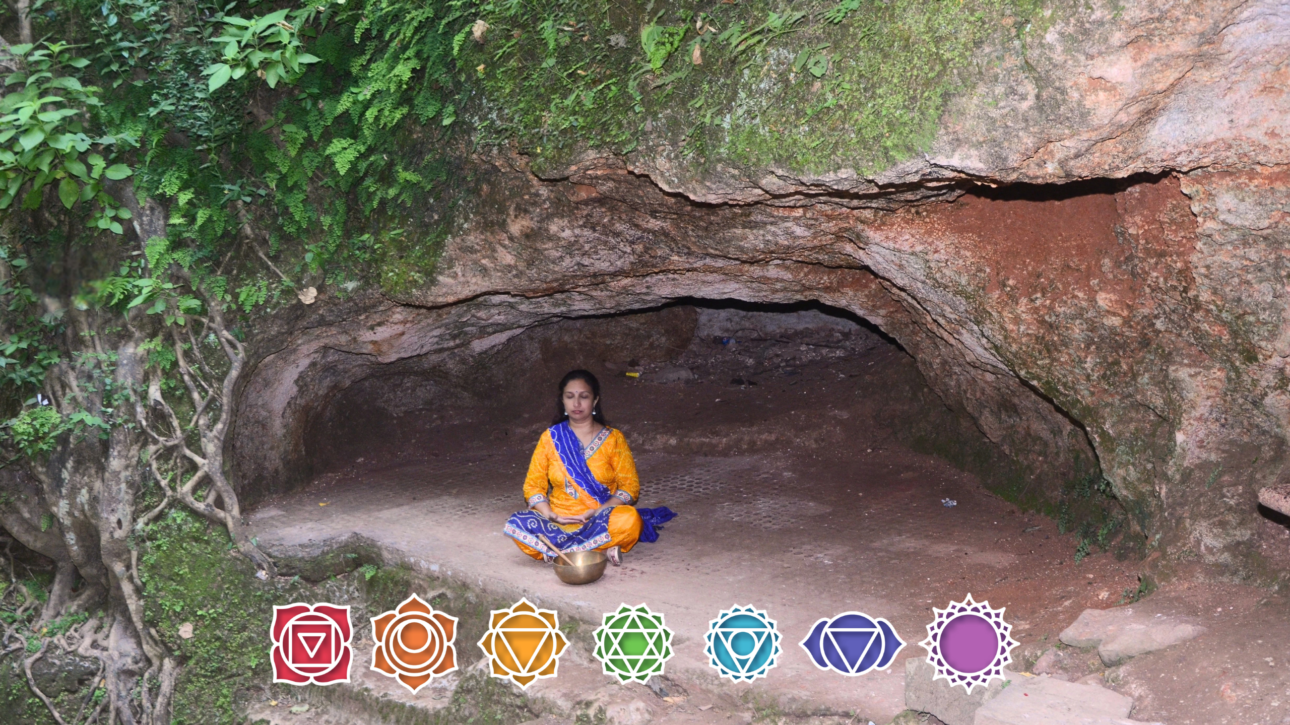
From the base of our spine to the top of our head, we have seven major chakras. Each chakra has seven microchakras in contact with each of the three channels – for a total of twenty-one microchakras. Hence, the seven major chakras have a combined total of 147 microchakras. They all have a significant impact on our mental, emotional, and physical well-being.
We may experience tension, anxiety, illness, or disconnection when the energy pathways to the chakra are blocked. However, energy flows through our bodies effortlessly when our chakras are in balance. We experience health, happiness and peace at that point.
Where Does the Chakra System Come From?
The chakra system comes from ancient Indian spiritual traditions, developed and described over centuries through different schools of yoga and meditation. Over time, various teachers and traditions have added their own understanding to it, which is part of why you’ll find some differences between sources.
There isn’t one single, universally fixed version of the chakra system. What follows here is the commonly taught seven-chakra framework
What Does “Blocked” or “Imbalanced” Mean?
In chakra traditions, you’ll often hear words like blocked, imbalanced, overactive, or underactive. These aren’t medical diagnoses. They’re traditional, symbolic ways of describing an inner or emotional experience.
For example, someone who struggles to speak up for themselves might describe that as a “blocked throat chakra.” That doesn’t mean there’s a physical blockage in their throat. It’s simply a framework, a language, for reflecting on a pattern they’ve noticed in themselves.
The Seven Chakras
- Root Chakra – Muladhara – I AM
Where it sits: Base of the spine
Themes: Safety, stability, grounding, belonging, basic security
Colour: Red
Element: Earth
Associated foods: Root vegetables, such as beets, carrots, radishes, and potatoes, along with protein-rich foods
Instruments: Deep, grounding sounds such as drums, didgeridoo, or a low-toned singing bowl
Yogasana: Tadasana (Mountain Pose), Malasana (Garland Pose)
Mudra: Prithvi Mudra (tip of the thumb and ring finger touching gently)
Everyday example: Someone going through financial stress or a sudden life change may feel ungrounded or anxious. They might explore the Root Chakra through grounding practices.
Simple daily exercise: Stand barefoot on the ground for a few minutes, feeling your feet firmly planted. Take a few slow breaths while noticing the support beneath you.
- Sacral Chakra – Svadhisthana – I FEEL
Location: Lower abdomen/ pelvis
Themes: Emotions, creativity, pleasure, relationships, flow
Colour: Orange
Element: Water
Mudra: Shakti Mudra (ring and little fingers of both hands interlocked, other fingers extended)
Associated foods: Orange-coloured fruits like oranges, mangoes, and carrots; hydrating foods like coconut water
Instruments: Flowing, melodic sounds, water-themed chimes, energizing percussion
Yoga asana: Baddha Konasana (Butterfly Pose), hip-opening stretches
Simple daily practice: Spend a few minutes doing something creative with no goal, like doodling, humming, or dancing freely.
Everyday example: Someone who feels emotionally “stuck” or creatively blocked might explore this chakra through gentle movement or creative expression.
- Solar Plexus Chakra – Manipura – I DO
Location: Upper abdomen/ Navel center
Themes: Confidence, personal power, motivation, self-belief, choice
Colour: Yellow
Element: Fire
Mudra: Rudra Mudra (or Surya Mudra)
Food associations: Yellow foods such as bananas, corn, and yellow lentils
Instruments: String instruments – like sitars or harps
Yogasana: Boat Pose (Navasana), Warrior Pose (Virabhadrasana)
Simple daily exercise: A few rounds of Kapalabhati (bellows breath), done gently, to build a sense of inner energy and focus.
Everyday example: Someone who struggles with self-doubt before making decisions may explore solar plexus themes around confidence and personal choice.
- Heart Chakra – Anahata – I LOVE
Location: Centre of the chest
Themes: Love, compassion, connection, forgiveness, openness
Colour: Green (sometimes pink)
Element: Air
Mudra: Hridaya Mudra (index finger at the base of the thumb, middle and ring fingers touching the thumb tip)
Food associations: Green, leafy vegetables
Instruments: Gentle string instruments, Balinese bells, soft chimes
Yogasana: Camel Pose (Ustrasana), Cobra Pose (Bhujangasana)
Simple daily exercise: Place a hand over your heart, breathe slowly, and bring to mind someone or something you feel grateful for.
Everyday example: Someone who finds it hard to trust after being hurt in a relationship may work with heart chakra themes around openness and forgiveness.
- Throat Chakra – Vishuddha – I TALK
Location: Throat
Themes: Communication, expression, speaking honestly, listening
Colour: Blue
Element: Ether (space)
Mudra: Akasha Mudra (middle finger touching the tip of the thumb)
Food associations: Fruits that grow on trees and water-rich foods
Instruments: Flutes and wind instruments
Yogasana: Fish Pose (Matsyasana), Shoulder Stand (Sarvangasana)
Simple daily exercise: Humming gently for a minute or two, or softly chanting a single syllable, noticing the vibration in your throat.
Everyday example: Someone who struggles to speak up in meetings or say what they really feel may explore throat chakra themes around honest expression.
- Third Eye Chakra – Ajna – I SEE
Location: Between the eyebrows
Themes: Intuition, inner awareness, reflection, perception
Colour: Indigo
Element: Light (in some traditions, considered beyond the five elements)
Mudra: Jnana Mudra (tip of thumb and index finger touching, palms facing upward)
Food associations: Dark-coloured fruits like grapes and blueberries
Instruments: Bells & high metallic chimes
Yogasana: Child’s Pose (Balasana), seated meditation
Simple daily exercise: Sit quietly, close your eyes, and gently bring attention to the space between your eyebrows for a few slow breaths.
Everyday example: Someone who feels disconnected from their own instincts or constantly looks outward for answers may explore third eye themes of reflection and inner awareness.
- Crown Chakra – Sahasrara – I UNDERSTAND
Location: Top of the head
Themes: Spiritual connection, awareness, contemplation, a sense of connection to something greater
Colour: Violet or white
Element: Thought/consciousness (often described as beyond the physical elements)
Mudra: Brahma Mudra (hands clasped together at the navel, palms facing upward)
Food associations: Fasting or light eating is sometimes associated with this chakra, along with pure water
Instruments: Singing bowls, silence itself
Yogasana: Headstand (Sirsasana, for those experienced in yoga), Savasana (Corpse Pose), seated silent meditation
Simple daily exercise: A few minutes of quiet, undirected sitting, simply being present without needing to do or think anything in particular.
Everyday example: Someone going through a period of searching for meaning or purpose may explore crown chakra themes of connection and contemplation.

What Is Chakra Healing?
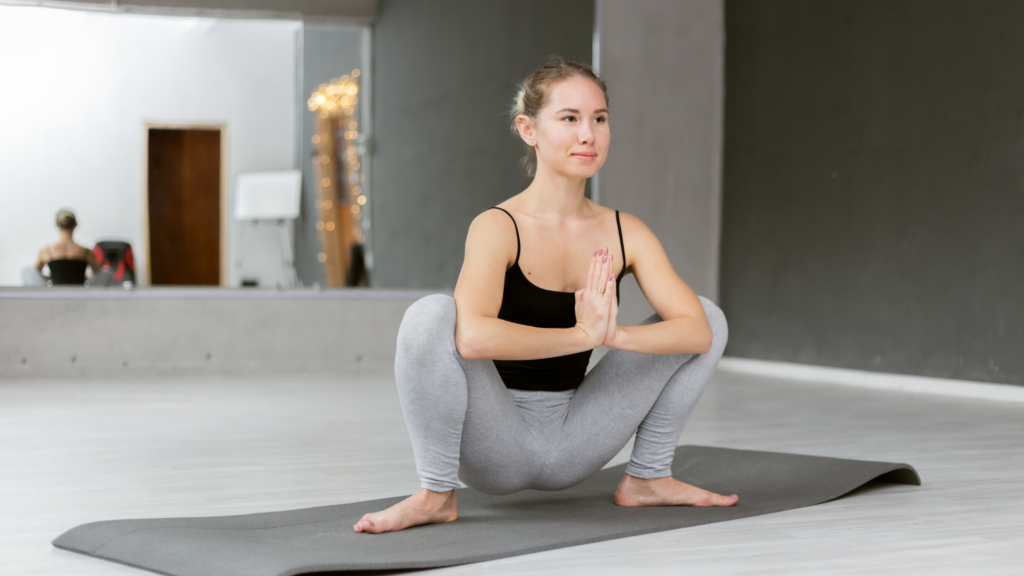
Chakra Healing is a spiritual and energy-based practice where a practitioner works with the chakra system using approaches like meditation, breath awareness, visualization, intention, sound, mudras, and gentle movement. It’s best understood as a practice that may support a sense of balance, reflection, self-awareness and mindfull living.
What Can a Chakra Healing Session Look Like?
A session may involve a conversation about what you’re experiencing, identifying which chakras or themes you’d like to explore, some grounding or relaxation, and practices such as meditation, visualization, sound, or mudra work focused on particular chakras.
How Chakra Healing Works:
✅ Meditation: Visualizing each chakra to clear blockages.
✅ Yoga: Certain poses help align and activate your chakras.
✅ Breathwork: Deep, slow breaths can release tension.
✅ Crystals: Healing stones placed on the body can aid energy flow.
✅ Sound Healing: Bowls, chimes, or mantras help clear blockages.
✅ Aromatherapy: Certain oils, like lavender, can help balance energy.
The Significance of It:
When your chakras are in harmony, you experience:
✅ Motivated and full of energy
✅ Calm and stress-free
✅ Linked to the world and to yourself
✅ Better able to manage emotions
✅ In good physical and mental health
Can I Work With My Chakras Myself?
Yes, many people explore simple chakra-related practices on their own, such as:
- Sitting quietly for a few minutes each day
- Mindful breathing, focused on a particular chakra
- Practising the yogasanas and mudras listed above
- Eating a varied, colourful diet, loosely reflecting the chakra colours
- Journaling about a particular chakra’s themes
- Spending time in nature, especially for grounding and the root chakra
- Gentle movement or dance for the sacral chakra
Chakra Healing and Emotional Awareness
Chakra themes can offer a symbolic framework for reflecting on emotions and life experiences:
- Root → safety and groundedness
- Sacral → emotions and creativity
- Solar Plexus → confidence and personal choice
- Heart → connection and compassion
- Throat → expression and honesty
- Third Eye → reflection and intuition
- Crown → spiritual connection and meaning
Chakras and the Body
In chakra traditions, each chakra is traditionally linked to a general area of the body.
- Root Chakra – associated with the base of the spine, legs, and feet
- Sacral Chakra – associated with the lower abdomen and reproductive area
- Solar Plexus Chakra – associated with the stomach and digestive area
- Heart Chakra – associated with the chest and the area around the physical heart
- Throat Chakra – associated with the throat, neck, and voice
- Third Eye Chakra – associated with the forehead and the area between the eyebrows
- Crown Chakra – associated with the top of the head
The chakras invite us to pause, listen within, and gently bring ourselves back into balance.
Rohini Maaster
Frequently Asked Questions
What are chakras?
Chakras are energy centres described in Indian spiritual traditions, traditionally located along the body from the base of the spine to the top of the head along the central axis of the subtle body.
How many chakras are there?
Different traditions describe varying numbers, but the most commonly discussed system has seven main chakras, from the Root Chakra to the Crown Chakra.
What is Chakra Healing?
It’s a spiritual and energy-based practice that uses meditation, breath, sound, mudras, and other techniques to explore and work with the chakra system.
What does it mean when a chakra is “blocked”?
It’s a traditional way of describing a particular emotional or energetic experience, like difficulty expressing yourself, linked symbolically to a specific chakra.
How do I know which chakra needs attention?
Many people reflect on which chakra’s themes, like safety, confidence, or expression, feel most relevant to what they’re currently going through and experiencing in life.
Can I balance my chakras myself?
Yes, simple daily practices like specific yogasanas, mudras, breathing exercises, and mindful reflection can be explored on your own.
What happens during a Chakra Healing session?
Generally, it involves conversation, grounding, and chakra-focused practices like meditation, sound, or visualization.
Is Chakra Healing a replacement for medical treatment?
No. It’s a complementary spiritual practice. Please see a qualified healthcare professional for any medical or mental-health concerns.
Final Thought
Chakras offer one way, among many, of reflecting on how you feel and where you might want to bring a little more attention. You don’t need to master the whole system at once. Even one small daily practice, a mudra, a breath, a moment of stillness, can be a meaningful place to begin.
If you’d like some gentle guidance in exploring Chakra Healing for yourself, you’re welcome to reach out and connect with me.