What Is Sound Healing?
Sound Healing is a practice that uses sound and vibration as part of relaxation, meditation, and overall wellbeing. During a session, a practitioner creates or plays different sounds while you rest, listen, and simply notice what you experience.
It can involve listening, feeling vibration, breathing, stillness, and a bit of body awareness, all at the same time.
Why Does Sound Affect Us So Much?
A lullaby can calm a baby almost instantly. A favourite old song can bring a memory rushing back. The sound of rain can feel soothing, while a sudden loud noise can make us jump without thinking.
A temple bell, rung slowly, can shift the whole feeling of a room. None of this is unusual. Sound naturally shapes our attention and our mood, even when we’re not trying to analyze why.
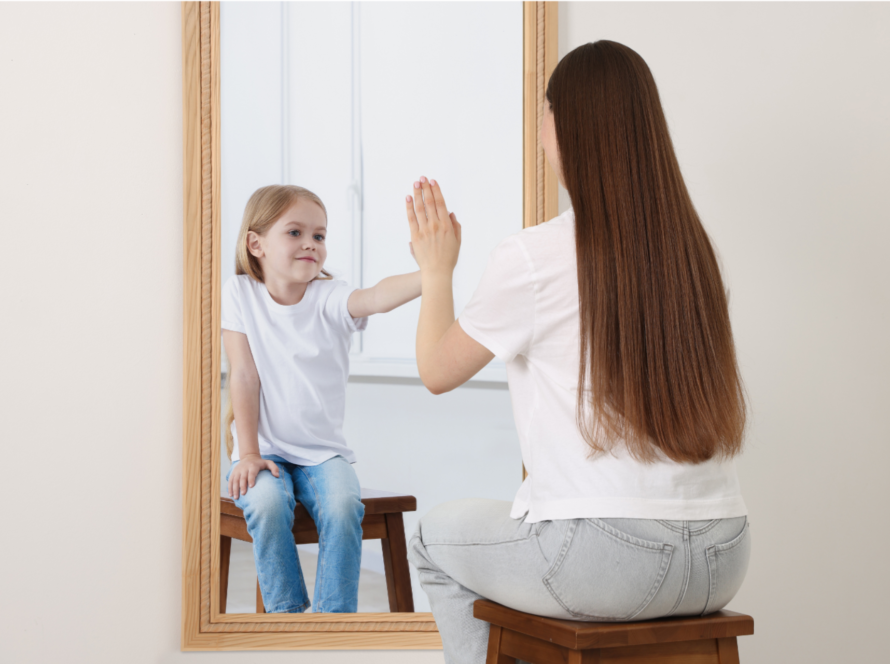
That background part is sometimes called the “shadow.” It’s not a strange or scary idea. It just means: the things about ourselves we don’t usually look at directly.
Sound and Vibration
Sound is created by vibration. When an instrument is played, it sends vibrations through the air that reach our ears. Some sound-healing instruments also create vibrations you can physically feel, especially if you’re sitting close to them or in direct contact.
That’s really the simple science of it: vibration moving through air, and sometimes through your body. There’s no need to overcomplicate it further than that.
Sound Healing Instruments
Different instruments offer different kinds of sound. Here’s a simple look at the ones commonly used.
Tibetan Singing Bowls
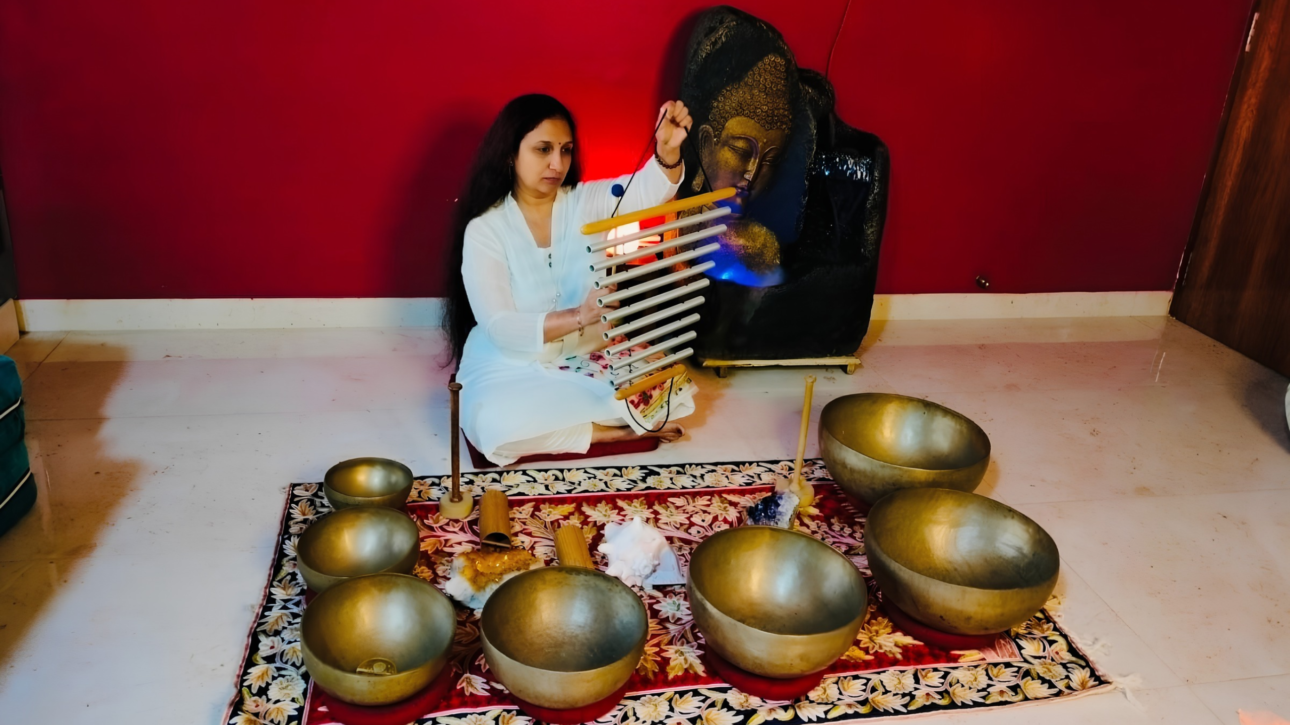
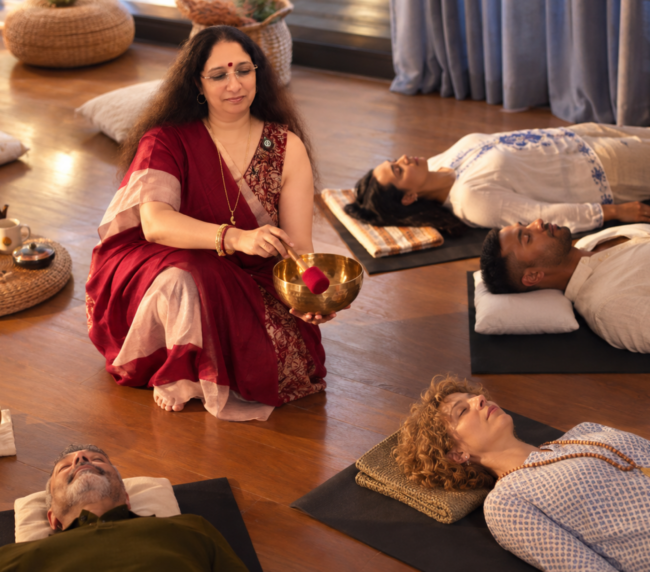
These 7 metal bowls are usually played by circling a mallet around the rim, or gently striking the edge. The tone they produce is steady and resonant, and many people find it easy to settle into. Each bowl is of a specific frequency that aids in healing when played. Depending on their training, some practitioners place bowls near or on the body, letting the vibration be felt as well as heard.
Gongs
A gong produces a rich, layered sound that can fill an entire room. Gong sessions are often used for meditation and deep listening, since the sound can be so immersive it leaves little room for the mind to wander elsewhere. Some sound-healing traditions describe gongs as helping to “shift stuck energy,” and it’s worth being clear that this is a traditional, practice-based idea, not a scientifically established effect.
Tuning Forks
Tuning forks are metal instruments that produce a very specific, clear tone when struck. Practitioners may use them in sound or energy-based sessions, sometimes near the body or around particular areas. If a practitioner mentions specific frequencies linked to organs, chakras, or conditions, that reflects a particular tradition or method.
Crystal Bowls
Made from quartz crystal, these bowls produce clear, sustained tones often used in group sound baths and meditation. Some traditions associate specific bowls with specific chakras or colours.
Sound Bed
Generally speaking, a sound bed is a setup where a person lies on a specially designed resonant surface, allowing sound and vibration to be experienced directly through the body, not just through the ears. The strings are tuned to a specific frequency and played during the process.
Drums
Drumming creates rhythm as much as sound, and rhythm has been part of music, ceremony, and community across nearly every culture. A steady drumbeat can be grounding to listen to.
In Africa, drumming is used in rituals to connect with spirit and release trauma. Drums are also associated with the root chakra.
Chimes and Bells
Light, clear sounds from chimes and bells are often used to mark the beginning or end of a practice, or simply to create a calm, settled atmosphere during a session.
Conches
A conch shell produces a deep, steady sound when blown, and it has been used for centuries in spiritual and ceremonial practices across many cultures, including in Indian traditions, where it’s often associated with beginnings and clearing a space before a practice starts.
The sound is simple but carries well, and some practitioners use it to open or close a session, marking a clear shift from ordinary activity into a quieter, more focused state.
In my own sessions, I sometimes blow the conch along a person’s spine. I use this as a way to tune into areas where energy may feel blocked or uneven, and to work on clearing them through sound. This is part of my own practice I have got guided to.
Balinese Bell
The Balinese bell has a soft, warm tone that I find speaks directly to the heart. In my own practice, I’ve been guided to feel that its vibration connects with the heart chakra, and I often use it when working with grief or a closed, guarded heart. This understanding comes from my inner guidance.
Vocal Sounds and Mantras
The voice is one of the oldest sound-healing tools there is, long before any instrument was invented.
This can include humming, chanting, toning (simply holding a single vowel sound), or repeating a mantra, a short word or phrase, often with roots in a particular spiritual or cultural tradition. Some mantras carry specific meaning tied to the tradition they come from.
In India, mantras and chanting are used to activate inner peace and align chakras.
What Happens During a Sound Healing Session?
A session may follow a shape something like this:
- A short conversation before you begin
- Getting comfortable, usually lying or sitting down
- Setting an intention.
- The practitioner playing different instruments, sometimes including voice
- Periods of quiet between sounds
- Simply listening and noticing, without needing to do anything
- A quiet period at the end
- A slow return to normal awareness before you get up
Every practitioner and every session can look a little different.
What Might You Experience?
People experience sound sessions differently.
Imagine lying down under a cozy blanket. Soft lighting. Maybe a gentle aroma in the air.
You close your eyes. A practitioner begins to play Tibetan bowls, chimes, or gongs. The sounds wash over you, around you, and through you. You feel it in your chest. Your belly. Your bones.
Your thoughts start to slow. Your breath deepens. Maybe emotions come up – or maybe you simply fall into a deep, nourishing rest.
Each person’s experience is unique, but common sensations include:
- Tingling or warmth in the body
- Feeling “floaty” or light
- Tears or emotional release
- Deep calm and clarity
- Insight or intuitive messages
- A sense of being held or loved
Some say it feels like a massage for the soul. Others say it’s like returning to a part of themselves they forgot existed.
Sound and Emotions
Sometimes, in a quiet sound session, someone becomes emotional without quite knowing why.
A more accurate way to think about it: sound, stillness, and relaxation can create space for a person to notice feelings they were already carrying, simply because there’s finally a quiet moment to feel them.
Let your body feel safe again. Let your heart feel soft again. Let yourself come back to harmony – one vibration at a time.
You are worthy of peace. You are ready to heal.
Rohini Maaster
Sound Healing and Chakras
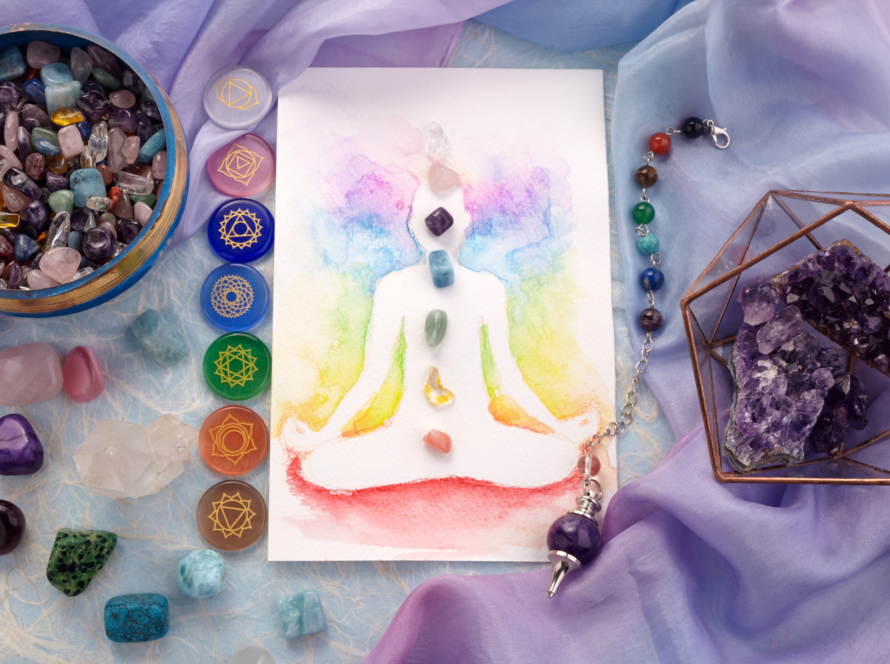
Some sound-healing traditions link certain tones, instruments, or notes to specific chakras, energy centers described in various spiritual systems. Some practitioners use sound as a way of directing attention toward a particular chakra or intention during a session.
Sound and Meditation
If sitting in silence feels difficult, sound can give your mind something simple to rest on. Listening closely to a bowl, a gong, or a chant can be an easier entry point into meditation than silence alone, since there’s something gentle for your attention to follow.
Can I Try Sound Healing at Home?
Yes, in a simple way. You don’t need expensive instruments to begin exploring this.
A few ideas:
- Listen to calming music or recorded sound-bath tracks
- Use a small bell or chime
- Try a basic singing bowl if you have one
- Hum gently for a minute or two, and notice how it feels
- Sit in silence for a few minutes after listening to something
- Use sound as a simple anchor during meditation
Who Is Sound Healing For?
Short answer? Everyone.
Longer answer? Sound healing is especially powerful for people who:
- Feel overwhelmed, anxious, or emotionally stuck
- Struggle with sleep, burnout, or chronic fatigue
- Have experienced trauma or heartbreak
- Are navigating big life changes or grief
- Find it hard to meditate or quiet the mind
- Are on a spiritual journey and want to feel more connected
Even if you’ve tried therapy, meditation, or yoga—and they helped, but something still feels “off”—sound healing might be the missing piece.
You don’t need a specific problem to attend a sound session. Sometimes it’s simply an experience of listening and stillness.
The Scientific Side
Now, for the science lovers: there’s research behind it too.
- Brainwaves: Sound healing can shift your brainwaves into a relaxed state (like alpha or theta), which is where deep rest and emotional release happen.
- Vibration: Every cell in your body responds to vibration. When exposed to healing frequencies, your body starts to “tune” itself back into balance.
- Nervous System: Sound stimulates the vagus nerve, helping your body move out of “fight or flight” into “rest and repair.”
Real talk: This isn’t just woo-woo. It’s how the body and brain naturally respond to rhythm, vibration, and harmony.
Real-Life Analogy: Tuning a Guitar
Think of your body like a guitar.
When a string is out of tune, the whole song sounds off. You can try to keep playing, but something just feels… wrong.
Sound healing is like using the perfect tuning fork to bring each string (your energy centers, emotions, or organs) back into harmony. It’s subtle, yet powerful.
You don’t need to “do” anything. Just receive.
Common Benefits of Sound Healing
Here’s what people often notice after a few sessions:
- A deep sense of peace and stillness
- Emotional release or clarity about a situation
- Better sleep and reduced anxiety
- Improved focus and mood
- Relief from tension, headaches, or pain
- Greater connection to intuition or spirit
- Reawakening of joy and creativity
It’s not magic. It’s your body remembering how to heal – when given the right environment.
Common Myths About Sound Healing
Let’s bust a few myths right now:
❌ You have to be “spiritual” to benefit.
Nope. Sound healing works on your nervous system and energy body. You don’t need to believe in anything for it to support you.
❌ It’s just music therapy.
While both are powerful, sound healing focuses more on frequency, vibration, and specific instruments like crystal bowls, tuning forks, and gongs.
❌ You’ll feel better instantly.
Some people do. Others feel emotional or tired after a session—because healing is happening. Be gentle with yourself. Sometimes you’re releasing years of stored stress.
❌ You need a fancy studio or equipment.
You can start with simple sound rituals at home using your voice, humming, or listening to high-vibration music.
Frequently Asked Questions
What is Sound Healing?
It’s a practice that uses sound and vibration, through instruments and sometimes voice, to support relaxation, reflection, and presence.
What happens during a Sound Healing session?
You typically rest comfortably while a practitioner plays different instruments and sounds, with quiet periods in between for you to simply listen and notice.
What are Tibetan singing bowls used for?
They’re played to produce a steady, resonant tone often used for relaxation and meditation, sometimes placed near or on the body.
What is a gong bath or gong healing session?
It’s a session centered around the rich, layered sound of a gong, often used for deep listening and meditation.
What are tuning forks used for?
They produce a precise tone and may be used near the body in sound or energy-based sessions, depending on the practitioner’s approach.
How often should I do sound healing?
Listen to your body. Some benefit from weekly sessions; others do monthly. Even a 10-minute daily ritual can help.
Can it replace therapy or medicine?
It’s not a replacement, but a complementary tool. Always consult with healthcare professionals for medical or mental health concerns.
What if I don’t “feel” anything?
That’s okay. Sometimes healing is subtle and builds over time. Not all shifts are dramatic or emotional.
Can kids or pets benefit from sound healing?
Absolutely! Both are very sensitive to sound frequencies. Gentle sound baths can calm babies, children, and even animals.
Are chanting or mantras part of Sound Healing?
Yes, for many practitioners. Humming, toning, and chanting are some of the oldest sound-healing tools, and some sessions include vocal sound alongside instruments.
What is a sound bed?
A sound bed is a bed the client lies on, with strings stretched beneath the lower surface. These strings are tuned to specific frequencies and played during the session. As they’re played, the client feels the vibrations move through their body, which can help in working through blocks. Many people describe a floating sensation as the session unfolds.
What is a sound bath?
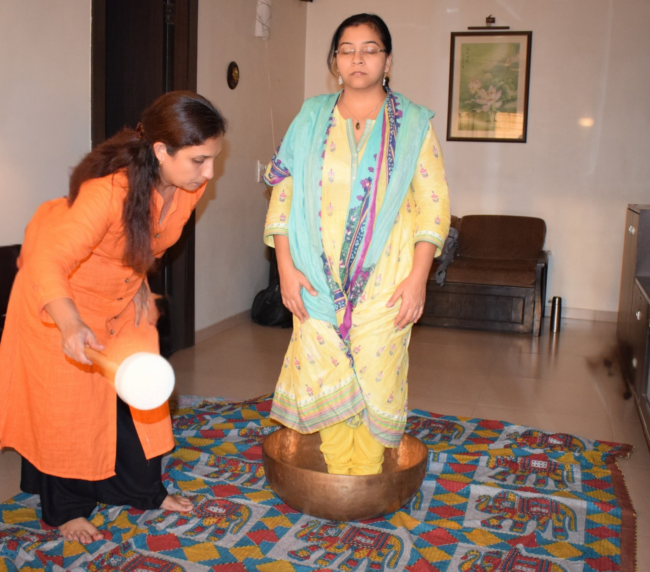
A sound bath uses a large bowl that a person can sit or stand inside while it’s played. The vibrations move through the whole body, often starting at the feet and travelling upward. Many people notice the vibration mostly in the lower body at first, which I see as a sign of blocks in that area. With continued sessions, the vibration tends to travel further up the body as those blocks begin to clear.
In my practice, I also use this bowl as a powerful tool for clearing a space of negative energy and the evil eye.
Final Thought
Come Home to Yourself
You don’t have to keep carrying the stress, the pain, or the heaviness alone.
You don’t have to keep searching for the next “fix” or pushing yourself through burnout.
There’s a gentle, ancient medicine that’s always been here—sound.
And maybe it’s time to let sound hold you, soothe you, and guide you back into balance.
If you’re curious to experience this for yourself, you’re welcome to reach out about a Sound Healing session with me.